Why a Circuit’s Setting Changes the Way It Is Read
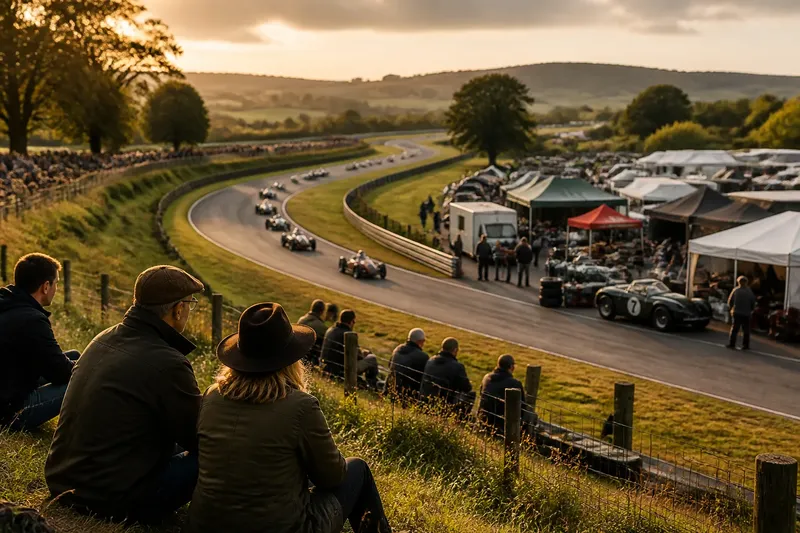
Circuit setting shapes a venue’s identity through farm roads, local routines, and race-day rituals, helping spectators understand the community around the track.
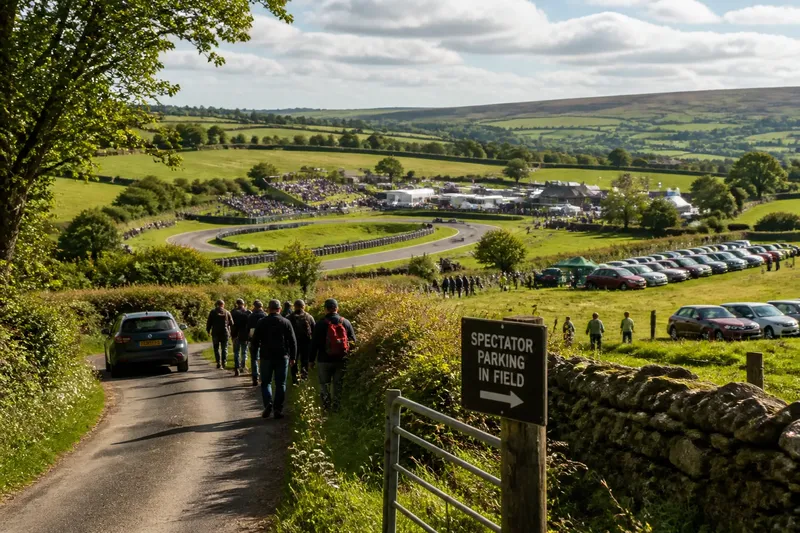
The common mistake is to treat a countryside circuit as a track with a few farms nearby; the cost is missing the local routines that make race day feel rooted in a particular place. Circuit setting is not just a view from the grandstand: it includes the roads people use to arrive, the sounds and smells beyond the fence, and the customs that gather around the event.
At a rural venue, a field entrance may become a temporary meeting point, while a village shop sees an unusual rush before the first session. Those details do not explain the racing line. They explain how a circuit belongs to its surroundings and how spectators experience a day there.
Circuit setting includes the routes and routines around the track
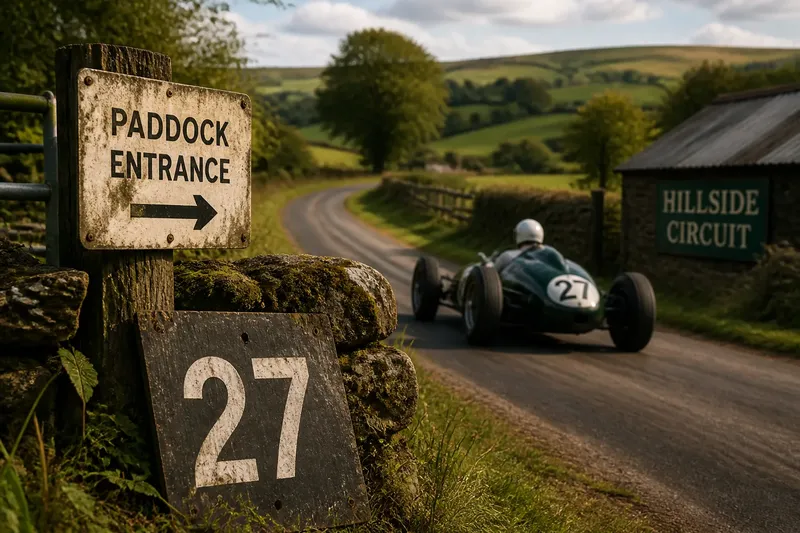
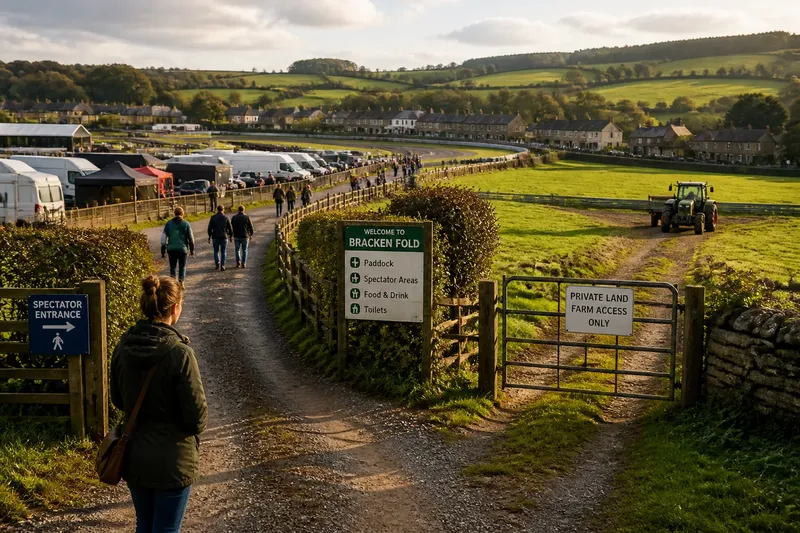
A circuit’s countryside character often begins before the gate. Narrow lanes, farm traffic, hedgerows, and scattered homes shape the journey in ways that a city venue’s approach roads may not. Visitors share space with ordinary local life, so arrival feels connected to the working landscape rather than sealed off from it.
Once the event is underway, the surrounding community may adapt its routines. A village café might open early, a nearby field might serve as an agreed parking area, or residents might choose a quieter route during busy periods. These arrangements vary by venue, but they show that a race meeting has a footprint beyond the circuit boundary.
Keep the distinction clear: the setting can influence the character of a race day without determining what happens on track.
Local customs give a race meeting its countryside character
Some traditions are practical: meeting at a familiar gate, bringing folding chairs, or gathering with friends at a customary spot. Others are sensory. The smell of food stalls mingles with cut grass, and engine noise carries into nearby fields between sessions.
These small rituals become part of how regular visitors remember a venue. A family might plan the day around a particular food stand; a group of friends might meet at the same entrance each year. Neither custom needs to be official to feel important. Its meaning comes from repetition and shared recognition.
Respect local boundaries while taking part. Follow signs, use the designated routes, and leave gates as instructed; rural land may remain in active use during an event.
What makes a countryside circuit feel connected to its community?
How can visitors tell whether a venue is part of local life?
Look for practical connections: local businesses serving event visitors, clear arrangements for access, and signs that ordinary community activity continues around race day. These clues suggest a relationship with the area, but one visit cannot reveal every local perspective.
Why do arrival roads matter to the character of a circuit?
The approach sets the scene before spectators reach the paddock. A route through villages and working farmland makes the event feel embedded in its surroundings, while also calling for patient driving and attention to local traffic.
Are race-day traditions always official?
No. Many customs are informal habits among visitors, volunteers, or local businesses. Treat them as invitations to observe rather than rules, and follow the venue’s posted guidance.
How can spectators be considerate neighbors?
Use authorized parking, keep access clear, and avoid trespassing on nearby property. If instructions are unclear, ask event staff rather than assuming a field edge or lane is open to visitors.
How can you notice local character without treating it as a postcard?
Pay attention to the people and routines that keep the event functioning, not only the attractive scenery. Notice how volunteers direct arrivals, where local businesses fit into the day, and which parts of the venue remain connected to ordinary rural work.
Imagine you are attending a fictional club meeting at a small countryside circuit. You arrive on a signed lane, see a notice directing spectators to an approved field, and follow it instead of parking beside a farm gate; later, you buy lunch from a village stall and return litter to the marked bins. The observable result is a smoother visit that respects local access and gives you a more grounded sense of how event day fits into the surrounding community.
A useful way to read circuit setting is to ask what the event changes for the area and what remains ordinary around it. That question brings local customs into focus without confusing community character with the design or quality of the racing.